
 Did you know that nearly 71% of commercial cardboard packaging is recycled in the UK, making it one of the most successfully recycled materials in British industry? That’s millions of cardboard boxes, containers, and packaging diverted from landfill and repurposed as valuable new products every single year, a figure driven even higher by the latest waste legislation and the widespread use of balers in business settings. In fact, recycling one tonne of cardboard saves around 17 trees and conserves significant energy compared to producing new material.
But here’s the challenge: roughly 30% of cardboard is still lost due to contamination or inefficient sorting practices, meaning huge recycling and profit potential is being missed. So, ask yourself – how much recyclability is your waste management strategy missing? Are you making the most of the opportunities to turn everyday waste into revenue while reducing your environmental impact?
The Relevance of Effective Waste Management
UK businesses are under growing pressure from rising landfill tax, tighter regulations, and increasing waste volumes, all of which drive up operating costs and complexity. Commercial and industrial waste makes up a significant share of the nation’s total waste, and without a clear strategy, much of it still ends up in landfill rather than being recycled or recovered.
At the same time, legislation such as Simpler Recycling and duty-of-care regulations mean organisations must separate key recyclable materials and prove they are handling waste responsibly. Effective waste management is no longer optional “nice to have” housekeeping; it is a compliance issue, a reputational risk, and a major cost centre that can affect margins and competitiveness.
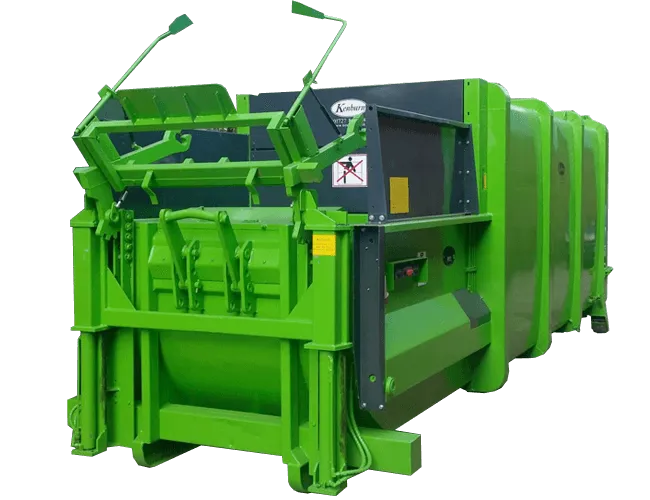
This is where Kenburn’s experience really matters. With decades of expertise in waste baling and compacting equipment, Kenburn’s team of waste experts help UK businesses of all sizes turn loose, bulky waste into dense, manageable bales and compacted loads that are cheaper to store, handle, and transport. Our portfolio spans vertical and horizontal balers, compactors, and specialist systems, backed by support that align equipment choices with real-world waste streams.
By introducing the right balers and compactors, businesses can cut collection frequencies, reduce haulage costs, and unlock revenue from high-quality recyclables such as cardboard and plastics. At the same time, they lower their carbon footprint, keep more materials in the circular economy, and ease pressure on UK landfill sites, contributing to cleaner, safer environments for customers, staff, and local communities.
What Are Waste Balers and Compactors?
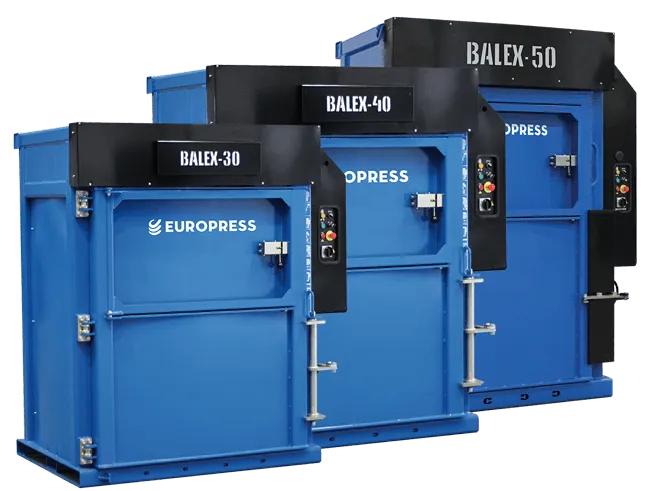
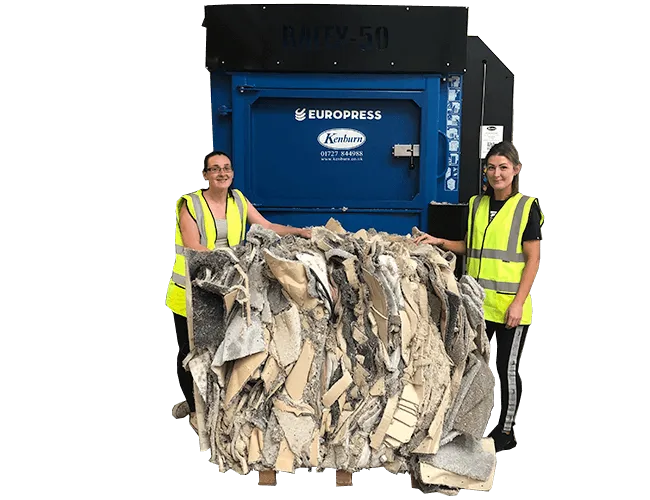
Waste balers are machines designed to compress recyclable materials like cardboard, plastic, and paper into dense, uniform bales. These compacted bales are easy to store, transport, and recycle, making balers ideal for businesses focused on recycling efficiency and generating revenue from waste. Baling machines come in a variety of sizes producing bale weights from 50kg to over 500kg.
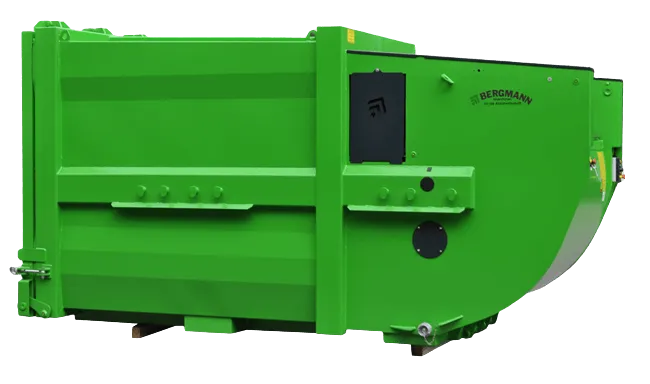
Compactors, on the other hand, crush mixed or general waste to reduce its overall volume, making disposal easier and less frequent. They are better suited for non-recyclable or contaminated waste streams that can’t be baled for recycling.
The main difference is that balers primarily process dry recyclables into saleable bales, while compactors handle mixed or non-recyclable waste by reducing volume for more cost-effective disposal.
Cardboard: The King of Recyclable Waste
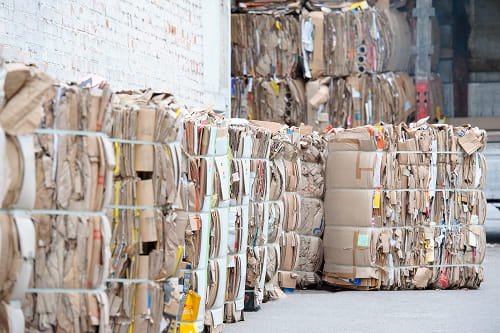
Most UK businesses generate significant amounts of cardboard packaging due to widespread use in shipping and storing products.
Waste balers efficiently compress cardboard into dense bales, drastically reducing storage space and simplifying handling on-site, making waste management more streamlined and less disruptive.
Baled cardboard commands higher recycling prices compared to loose or uncompressed waste, creating an opportunity for businesses to generate revenue while being environmentally responsible.
Common baler types for cardboard include vertical balers for smaller-scale use and horizontal balers for higher volume operations, with choices depending on waste throughput and available site space.
This efficient cardboard baling not only cuts costs but also supports environmental sustainability by enabling higher recycling rates and reducing landfill reliance, making it a win-win for businesses and the planet.
Plastic: Wide Range, Big Opportunity
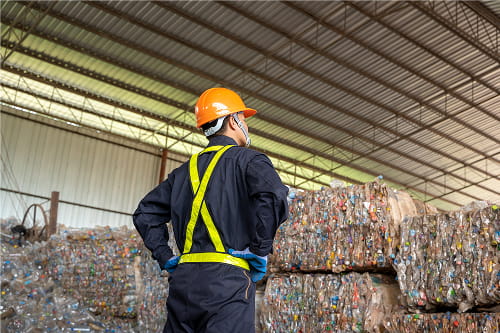
Office packaging, film, bottles, and containers are highly recyclable plastics commonly produced in business settings. Plastic balers handle most types of plastic (such as PVC, HDPE, LDPE, PET, and PP) with high compaction ratios up to 8:1 compared to loose material.
Proper baling reduces storage needs, boosts sustainability through better recycling, and increases revenue from higher-quality recyclables. Vertical balers suit smaller volumes with bales up to 500kg, while horizontal balers manage larger scales with heavier bales, fitting different business needs.
Note: Clear separation of plastic types improves recycling quality and maximises value.
Paper: From Shredded Office Waste to Profitable Bales
Offices and retailers produce huge amounts of paper waste, with UK offices generating nearly 80% of their waste as paper from printing, reports, and packaging – around 10 million tonnes annually across the country.
Balers turn shredded or loose paper into neat, dense recyclable bales, making it easier to store, transport, and sell to recyclers.
This approach reduces fire risk from loose shredded paper, saves valuable storage space, and maximises recycling rates for higher revenue and compliance.
Metal, Cans, and Packaging: Not Just for Landfill
Aluminium cans and light metals are commonly baled for recycling in hospitality and retail sectors, helping manage waste efficiently.
Baled metals are easier to handle and transport safely, reducing logistical challenges and lowering transportation costs.
Compactors also effectively manage heavier, mixed waste streams safely, reducing volume and simplifying disposal.
Other Recyclable Materials: Fibrous, Construction & Dry Waste
Textile, fibrous packaging and some construction waste are suitable for baling or compacting, allowing these materials to be managed more efficiently.
Dry waste compactors and portable units are commonly used in construction and fit-out projects to handle bulky waste on-site, reducing removal costs and space requirements. There’s also a ‘jumbo roll packer’ waste compactor that’s ideal for compacting wood waste.
It is essential to always separate hazardous or non-recyclable waste from recyclable streams to ensure safety, compliance, and the quality of recyclable materials.
Industry-Specific Application Examples
Supermarket chains bale vast quantities of cardboard from daily deliveries while compacting food and general waste to slash collection frequencies by over 30%, turning overheads into efficiencies.
Factories thrive by baling plastics, metals, and paper, streamlining high-volume recyclable streams and freeing up floor space for production.
Retailers focus on cardboard and packaging film baling, reclaiming valuable store space, even in city-centre sites starting from just 1m² footprints, for revenue-generating stock.
Offices shred confidential paper and bale it for secure, compliant recycling, minimising risks and storage needs in tight environments.
Hospitality venues bale cans and bottles while compacting food waste, enhancing hygiene and cutting disposal costs in busy kitchens and hotels.
Packaging companies use multi-material balers to handle varied waste streams more efficiently, boosting recycling revenue and operational flow.
Steps for Efficient Recycling, Baling and Compacting
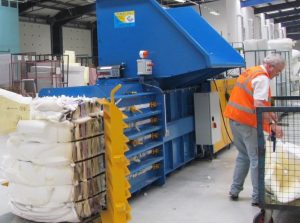
To optimise your waste management strategy, start by thoroughly assessing your waste streams. Understand the volume, types of materials involved, and contamination levels. This insight helps in identifying which wastes are recyclable and which are not.
Next, choose the right equipment tailored to your waste profile. Use balers primarily for recyclable materials such as cardboard, plastics, and paper, while compactors are better suited for mixed or general waste.
Ensure your staff receive training on separating waste correctly, as well as safely handling and operating baling or compacting machinery. Proper training enhances safety and efficiency.
Establish strong partnerships with recycling contractors who can reliably collect and process your baled or compacted waste, helping maintain a smooth waste flow.
Finally, regularly review the benefits of your waste management system, including cost savings, reduced collection frequencies, and improved workspace cleanliness, to ensure continuous improvement and maximised returns.
Transform Your Waste Management Today
Most business waste can be efficiently baled or compacted, offering substantial savings and boosting sustainability efforts. By reducing the volume of recyclable materials and general waste, companies cut storage and disposal costs while contributing to environmental goals.
Kenburn encourages businesses to take the next step by contacting their expert team for a free waste audit.. This personalised service helps identify the best baling and compacting solutions to meet specific waste streams and operational needs.
Turn your waste into opportunities, embrace smarter recycling with Kenburn. For expert guidance, competitive quotes, or to request a callback, visit our contact page and start maximising your waste management efficiency today.
FAQs
What is the difference between a baler and a compactor?
A baler compresses recyclable materials like cardboard, plastics, paper, and metals into dense bales for easier storage, transport, and resale. A compactor reduces the volume of mixed or non-recyclable waste, preparing it for disposal in landfill or incineration. Balers are recycling-focused; compactors focus on waste volume reduction and disposal.
Which waste types are most valuable when baled?
The most valuable baled waste types are cardboard, various plastics (such as PET and HDPE), metals like aluminium cans, and paper. These materials fetch higher recycling prices when baled because baling reduces contamination, volume, and handling costs.
Can my business recycle mixed plastic and cardboard together?
It is best to separate plastics and cardboard before recycling because mixed materials typically reduce the quality and value of recyclables. Clear separation improves recycling efficiency and revenue from baled waste.
How do I choose the right baler size for my business?
Choose a baler based on the volume of waste you generate, the types of materials, and available space. Small vertical balers suit low to medium volumes and tight spaces, while larger horizontal balers handle high volumes and continuous operation needs.
What safety measures should I follow when using baling/compacting equipment?
Always ensure staff are trained on proper operation, wear appropriate PPE, and follow manufacturer safety guidelines. Keep hands and loose clothing away from moving parts, perform regular maintenance, and never bypass safety devices or guards. Clear signage and emergency stop devices should be in place.