

 The call comes mid-shift. The compactor is down. Waste is piling up, a collection vehicle is on its way, and there is nothing useful anyone can do until an engineer arrives. It is frustrating, disruptive, and in most cases, avoidable.
Waste balers and compactors are working machines. A vertical baler produces bales weighing up to 600kg. A Bergmann Jumbo Roll Packer is processing pallets and bulky timber under significant mechanical load every cycle. A roto compactor in a hotel kitchen is running continuously through a busy service. These machines earn their keep, but only if they are looked after.
Most breakdowns follow neglected maintenance. The hydraulic seals that failed at the worst possible moment had been showing signs for weeks. The compactor bag that split had been used with the wrong specification. The baler that tripped out had an emergency stop that had not been tested since installation.
This article covers seven practical maintenance habits that apply across Kenburn’s full machine range. They are not complicated, but they do need to be consistent. If you are unsure where your equipment currently stands, Kenburn’s repairs and maintenance team can help you work that out.
Know Your Machines Before You Maintain Them
Maintenance is not generic. A vertical baler and a roto compactor are different machines with different working parts, and treating them the same way causes problems. A basic understanding of what each machine does mechanically is the starting point for looking after it properly.
Vertical and horizontal balers
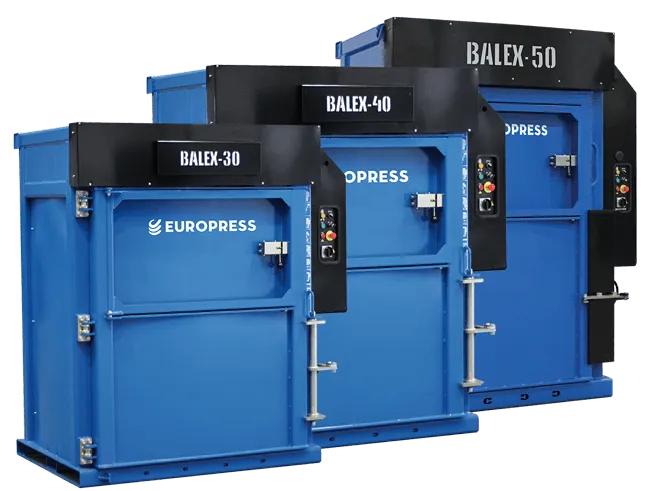
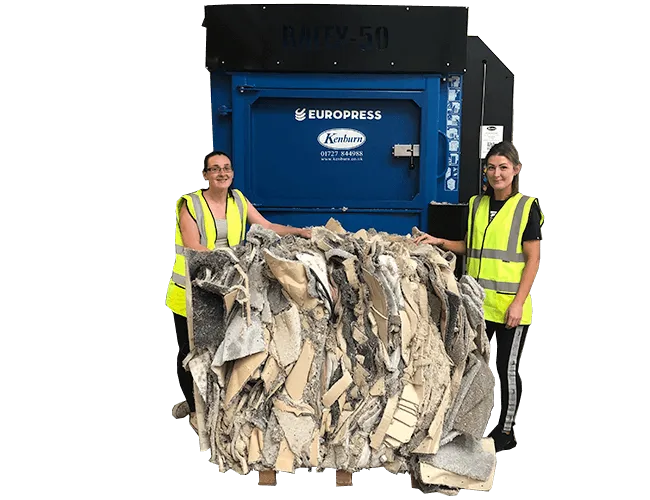
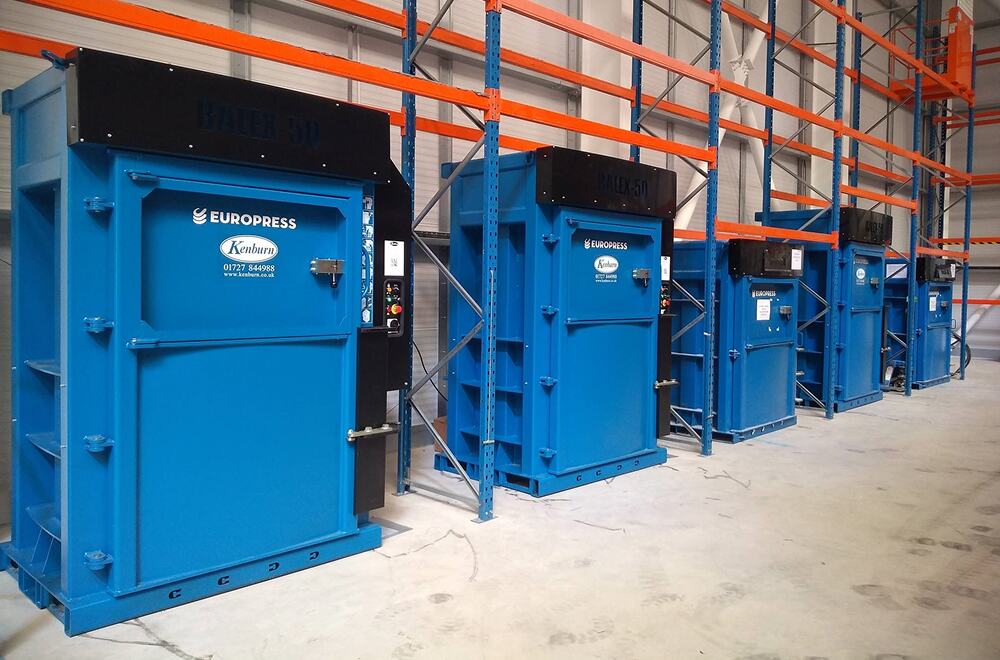
Vertical balers compress waste into tied bales using a hydraulic ram and pressing plate. They are available in small, medium, and large mill-size formats, producing bales from around 30kg up to 600kg depending on the model. Horizontal balers work on the same principle but at higher throughput, with the option for semi or fully automatic operation and conveyor feeding, producing bales from 250kg to 700kg.
Both types use wire, strap, or twine to secure the finished bale. The condition of those consumables is part of machine health, not a separate concern.
Static compactors and portable compactors
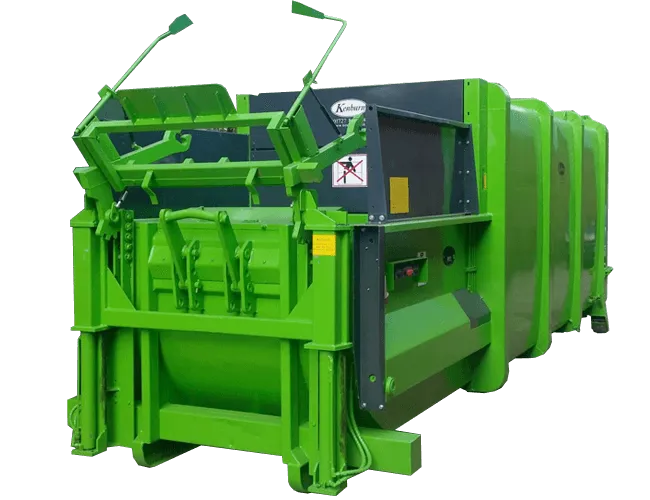
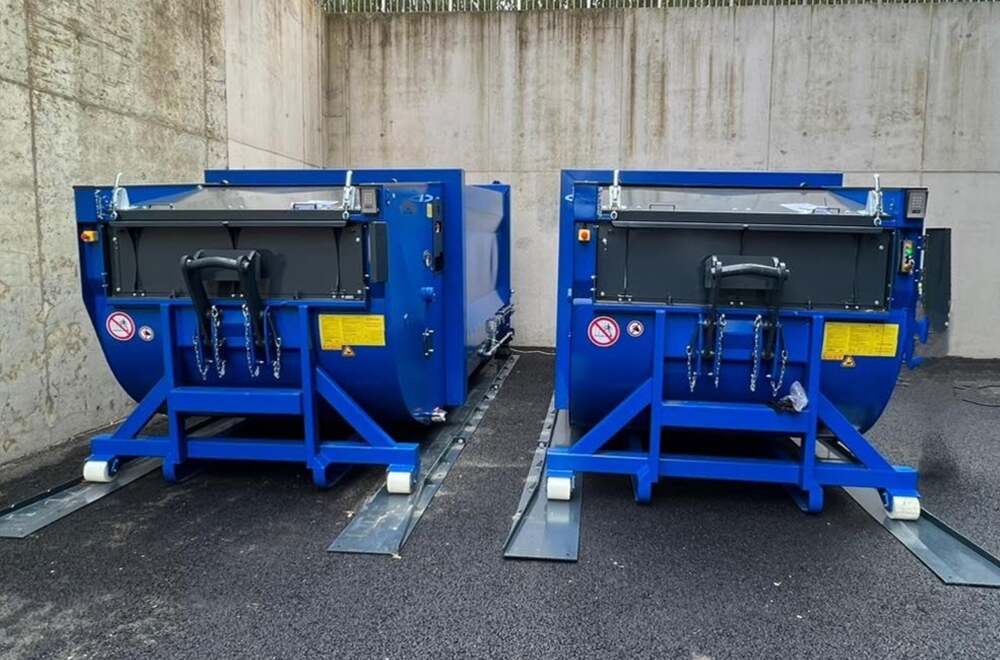
A static compactor sits permanently on site and compresses waste into a fixed container. When the container is full, it is taken away and replaced. A portable compactor works on the same principle but is designed to be collected and emptied by a vehicle. Smaller chain lift models are picked up whole by a skip vehicle. Larger hook lift models have the container detached and swapped out by a roll-on/roll-off truck while the compactor unit stays on site.
Wet waste compactors are a specific variant of portable compactor, designed for food waste, liquids, and other wet materials. They have built-in drainage systems that require their own inspection routine on top of standard compactor checks.
Jumbo Roll Packers and the open RoRo container
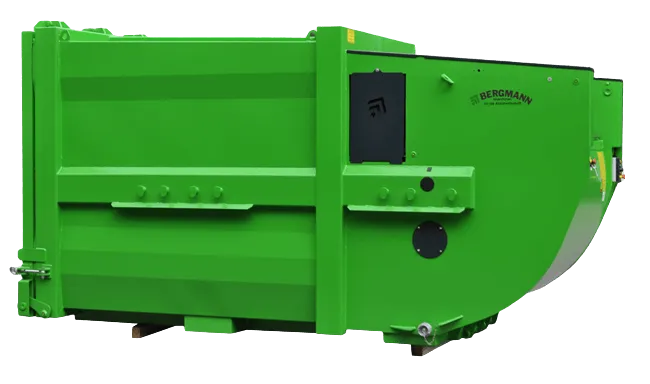
Bergmann Jumbo Roll Packers compact bulky waste such as pallets, timber, furniture, and cable drums in an open RoRo container using a rolling drum mechanism, achieving compaction ratios of up to 5:1. The container can be filled continuously during the process.
There are four variants: standard hydraulic, electric, rail-mounted, and mobile. The electric model has a different service routine to the standard hydraulic version. Rather than a full hydraulic drive system, it uses a hydraulic cylinder to lift the main arm, which means the scope of hydraulic maintenance is significantly reduced. Servicing focuses primarily on the electric drive, the compaction roller, and the safety systems.
The open RoRo container is part of the system. Its condition affects both compaction efficiency and safe operation, and it needs to be included in any structural inspection.
Roto compactors
Bergmann Roto Compactors handle general waste using a hard-faced roller that grips, tears, and compacts material into large bags or wheeled bins, achieving compression ratios of up to 9:1. They are common in supermarkets, hotels, hospitals, canteens, and retail environments.
Models come in round and square formats, with either electric or hydraulic drive depending on the variant. The maintenance focus differs from a ram-based machine: there is no pressing plate or platen. The roller and drum, the bag system, and the loading chute are the primary wear points. Some of these machines have been running reliably on the same sites for over 25 years, which says something about what consistent care produces.
Build a Simple Daily Inspection Routine
Most operator-level checks take two minutes. Done consistently, they catch the early signs of problems before those problems become breakdowns.
Before the first use of the day, operators should check:
- Whether there is any fluid pooling beneath the machine. A patch of hydraulic oil under a baler or compactor does not fix itself.
- Whether the machine sounds normal during the first cycle. Unusual knocking, grinding, or pressure sounds are worth noting and reporting immediately.
- Whether all guards and doors are in place and functioning correctly.
- Whether the emergency stop button resets and safety interlocks operate as expected. Testing these takes seconds and is a legal requirement under PUWER (the Provision and Use of Work Equipment Regulations 1998), which requires safety devices to be maintained in working order.
For roto compactors, check that the bag is correctly seated before starting. A misaligned bag under 9:1 compression creates a hygiene problem and risks damage to the drum and sealing mechanism.
For wet waste portables, drainage points should be cleared at the start of each shift. Blocked drainage on a wet waste machine is not a minor inconvenience.
Keep a basic log: date, operator name, anything unusual noted. It does not need to be elaborate. A whiteboard near the machine, a shared spreadsheet, a notebook. What matters is that it exists and is updated. It forms part of the maintenance record required by PUWER and is useful evidence when a warranty claim or insurance question arises.
Look After the Hydraulic System
 On most machines in the range, all compaction force is delivered hydraulically. The pump generates the pressure, the cylinder and ram convert it into movement, and the seals contain it throughout. When the hydraulic system degrades, performance degrades with it, often gradually and without obvious warning until something fails entirely.
The most common causes of hydraulic failure are seal degradation and fluid contamination. Both are preventable with routine checks.
Fluid levels
Check hydraulic fluid levels with the cylinder fully retracted. Top up with the correct specification fluid for the machine. Using the wrong fluid damages seals and internal components over time. If you are unsure of the specification, it will be in the operator manual or Kenburn’s team can confirm it.
Seals and hoses
Inspect hoses for cracking, chafing, or any sign of weeping around fittings. A hose showing early wear is a five-minute check. A hose that fails mid-cycle is an unplanned callout, potentially mid-shift.
Seal condition degrades with use, heat, and contamination. Early seal failure often shows as a gradual reduction in compaction force rather than an obvious leak. If a machine that used to fill a skip in 20 cycles now takes 30, the hydraulic system is worth examining.
Warning signs to act on
- Slow or sluggish ram travel
- Reduced compaction force with no change in waste type or volume
- Fluid pooling beneath the machine
- Unusual sounds during the pressurisation part of the cycle
Any of these is worth a call to the service team before the fault develops further. A small hydraulic problem caught early is a minor repair. Left, it becomes a larger one.
One important distinction: the electric Bergmann Jumbo Roll Packer has a different service routine to the standard hydraulic model. Rather than a full hydraulic drive system, it uses a hydraulic cylinder to lift the main arm, which means the scope of hydraulic maintenance is significantly reduced. Servicing focuses primarily on the electric drive, the compaction roller, and the safety systems. If you are unsure which variant you have, the Jumbo Roll Packer page has the details.
Schedule Professional Servicing
Operator checks matter, but they are not a substitute for professional servicing. There are components on these machines that require trained engineers, proper tools, and access to the right parts. Working around that creates risk, voids warranties, and usually costs more over time.
Kenburn’s maintenance agreements cover routine preventative service visits, safety function checks, and breakdown support. The call out and first hour of labour are absorbed within the agreement. Additional labour is charged at reduced rates. Travel time is never charged, wherever you are on mainland UK.
During a professional service visit, engineers will typically cover:
- Lubrication of key moving components
- Full hydraulic system inspection
- Electrical and control system checks
- Structural inspection of the machine frame, door hinges, and container connection points
- Testing of safety devices including emergency stops and interlocks
Kenburn’s engineers hold current CCNSG Health and Safety Passports and carry essential components with them, meaning most issues are resolved in a single visit. For more complex work, the St Albans workshop is equipped for complete disassembly and full refurbishment, including a drum exchange service for Bergmann Jumbo Roll Packers where the drum is worn rather than the entire machine.
For sites that prefer to manage servicing on a callout basis, a fixed fee applies and covers up to two hours on site. A written estimate is provided before any work proceeds.
Kenburn services all makes and models, not only machines they have supplied. If there is equipment on site from another manufacturer that has not been looked at in a while, that can be included.
Train Operators Properly
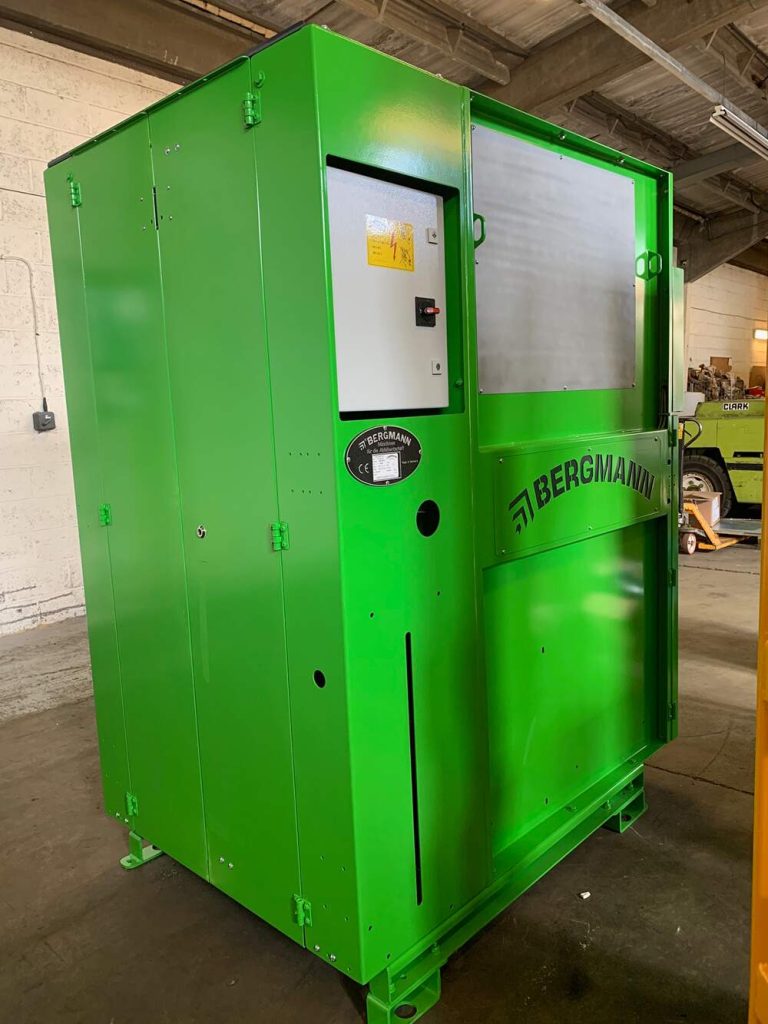
A significant proportion of machine damage comes not from mechanical failure but from how the machine is used. Overloading, feeding the wrong waste stream, incorrectly seated compactor bags, forcing the loading door while material is caught in the mechanism. These are operator errors, and they are preventable.
Understanding how the equipment actually works helps operators understand why certain habits matter. Kenburn’s waste compaction guide covers the basics in plain terms and is worth sharing with anyone new to the machines.
Under PUWER, employers have a legal duty to ensure that waste handling machinery is operated only by trained individuals and that training records are kept. In the event of a workplace incident involving a baler or compactor, inadequate records create significant liability.
Kenburn includes certified training for up to three employees at no extra cost with every machine installation and commissioning. Each operator receives an individual certificate on completion. Refresher training is available for new starters, infrequent operators, or staff whose habits need correcting.
Operator training should cover:
- Correct loading technique and maximum fill levels for the specific machine
- How to identify and report unusual machine behaviour
- Emergency stop procedure and what to do if the machine jams
- Correct specification and fitting of consumables
- Which materials are and are not suitable for the machine
Use the Right Consumables
The baling wire, strap, twine, and compactor bags used with these machines are not interchangeable. Specification matters, and using the wrong consumable puts mechanical strain on parts that are not designed to absorb it.
For balers, wire or strap gauge and tensile strength need to match the bale weight the machine produces. Undersized wire on a mill-size baler producing 500kg bales is a tie-off failure waiting to happen. Oversized material in a small baler creates jam risk.
For roto compactors, bag format and capacity need to match the specific model. Round and square machines use different bag formats: flat packs of 20 for round models, rolls of 35 for square. Heavy-duty bags are available for higher-density waste. Using a standard bag where a heavy-duty one is needed accelerates wear on the drum and sealing mechanism.
Kenburn supplies baling wire, baling strap, baling twine, and compactor bags for the full machine range. Orders placed before 1pm are despatched the same day, which is worth knowing if stock runs unexpectedly low on site.
A Looked-After Machine Earns Its Keep
These machines are built for the long term. Bergmann roto compactors have been running reliably on the same sites for over 25 years. Europress vertical balers are designed for minimal maintenance and quiet operation.
The habits are not complicated. Operator checks take two minutes. A service agreement removes the scheduling burden. Training is included at installation. Consumables are available next day.
What makes the difference is consistency. A machine that is checked every day for six months and then ignored for the seventh is not a well-maintained machine.
If a machine on your site is overdue a service, showing early warning signs, or you simply are not sure when it was last properly looked at, Kenburn’s team can help. Get in touch and they will advise on the right next step.