

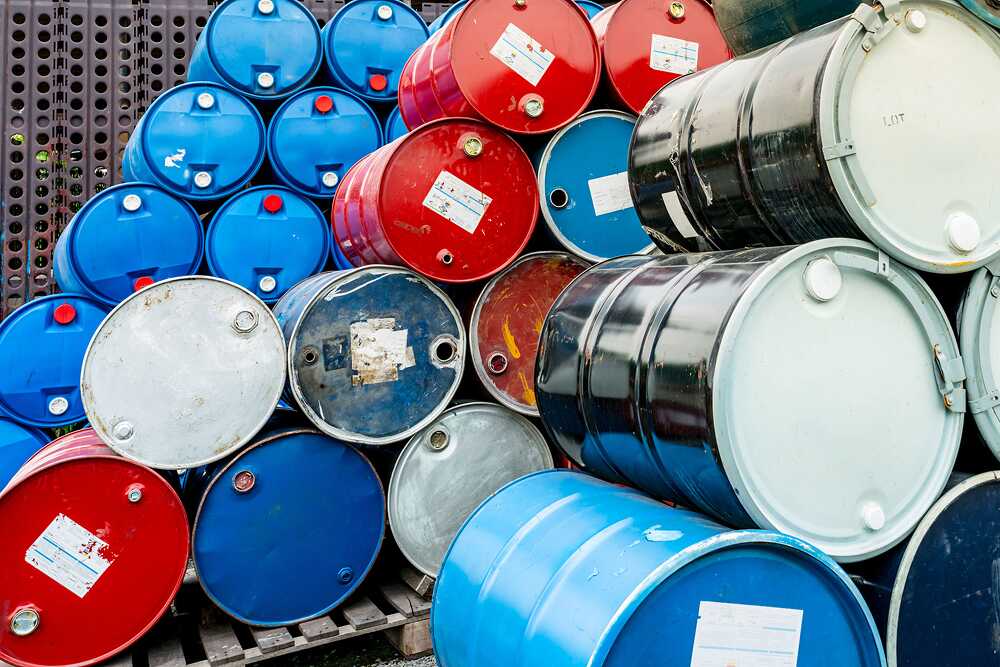
 Walk behind most kitchens, bars or production units and you will see the same things. Bin bags full of empty cans. A row of drums by the fence. A skip with metal offcuts tangled up in general waste.
All of it costs money to move. A lot of it could be making money instead.
Metal is one of the few waste streams buyers actively pay for. In August 2026, letsrecycle.com put baled or densified aluminium cans at £830 to £1,300 a tonne. Compare that with top-grade cardboard, which fetched £80 to £99 a tonne ex works in May 2026.
There is a catch. Buyers pay for metal in the form they want: clean, sorted and dense. Loose cans and empty drums are mostly air, which makes them awkward to store and expensive to collect.
That is where a scrap metal baler or drum crusher comes in.
This guide explains how metal baling differs from cardboard and plastic baling, what your metal is actually worth, and how to set up a simple process that turns a waste cost into a revenue line.
Why Metal Waste Behaves Differently From Every Other Stream on Site
Sold by weight, collected by volume
Scrap merchants pay per tonne. Waste contractors charge per lift, plus a gate fee per tonne. That mismatch is the whole problem.
A wheelie bin full of loose cans weighs very little but fills up fast. An empty 205-litre drum takes up the same space whether it is full or empty. You end up paying for frequent collections of material that is mostly air.
Compressing metal flips this around. The same weight takes up a fraction of the space, so you need fewer lifts and can build up a load large enough for a merchant to collect.
Not all metal is worth the same
Aluminium and steel look similar in a bin, but they are priced very differently. In August 2026, steel cans traded at £90 to £135 a tonne, against £830 to £1,300 for aluminium.
A fridge magnet is the easiest sorting tool you will ever own. Steel sticks. Aluminium does not.
If you mix the two, a buyer will usually price the whole load at the lower rate. Keeping them apart is the single quickest way to increase what you get paid.
How Metal Baling Differs From Cardboard and Plastic Baling
If you already bale cardboard, metal will feel familiar in some ways and very different in others.
The biggest difference is what happens after crushing. Cardboard and plastic film tend to spring back, so those bales rely on tight strapping to hold their shape. Crushed metal mostly stays crushed. That makes metal bales dense and stable, but it also means the machine has to work harder to get there.
Other differences to plan for:
- Machine rating. Steel needs more force than cardboard. Not every baler is built or approved for metal, so check with the supplier before loading cans into an existing machine.
- Sharp edges. Cut cans and offcuts can injure hands. A baler with full interlocks keeps staff away from moving parts and stops them handling sharp loose metal.
- Liquid residues. Half-finished drinks drain out under pressure, and sugary or acidic liquids left in the machine cause problems over time. Inadequate cleaning can lead to excessive corrosion and early failure of many parts. Empty cans properly before baling and clean the chamber and surrounding area regularly.
- Contamination. A few cans in a cardboard bale can lower its grade, and cardboard in a metal bale does the same in reverse. Badly contaminated bales can be rejected outright, which means zero rebate and often a disposal charge on top. If you want the best return on both, bale them separately. Our guide to baled cardboard prices explains how grading works on the fibre side.
Matching the Machine to the Metal
Drinks and food cans
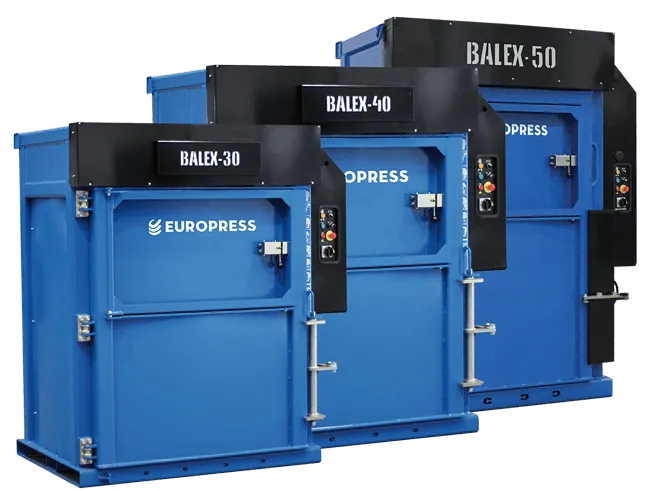
For pubs, hotels, canteens and venues, a vertical baler is usually the right fit. It sits close to where the waste is created, takes up little floor space and turns sacks of loose cans into neat bales. Kenburn’s figures show volume reductions of up to 90% for baled cans.
Keep aluminium drinks cans and steel food tins in separate bins at source. Staff will do this reliably if the bins are clearly labelled and in the right place.
Steel drums
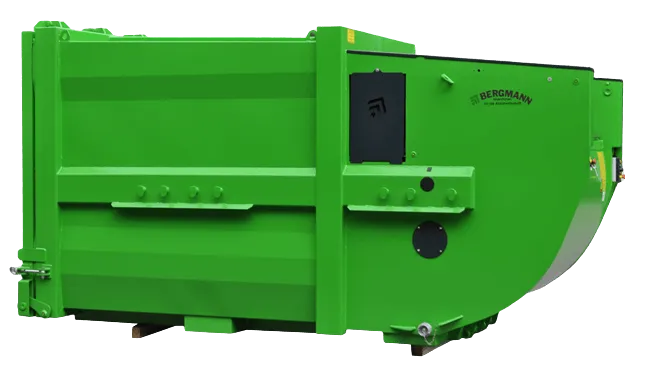
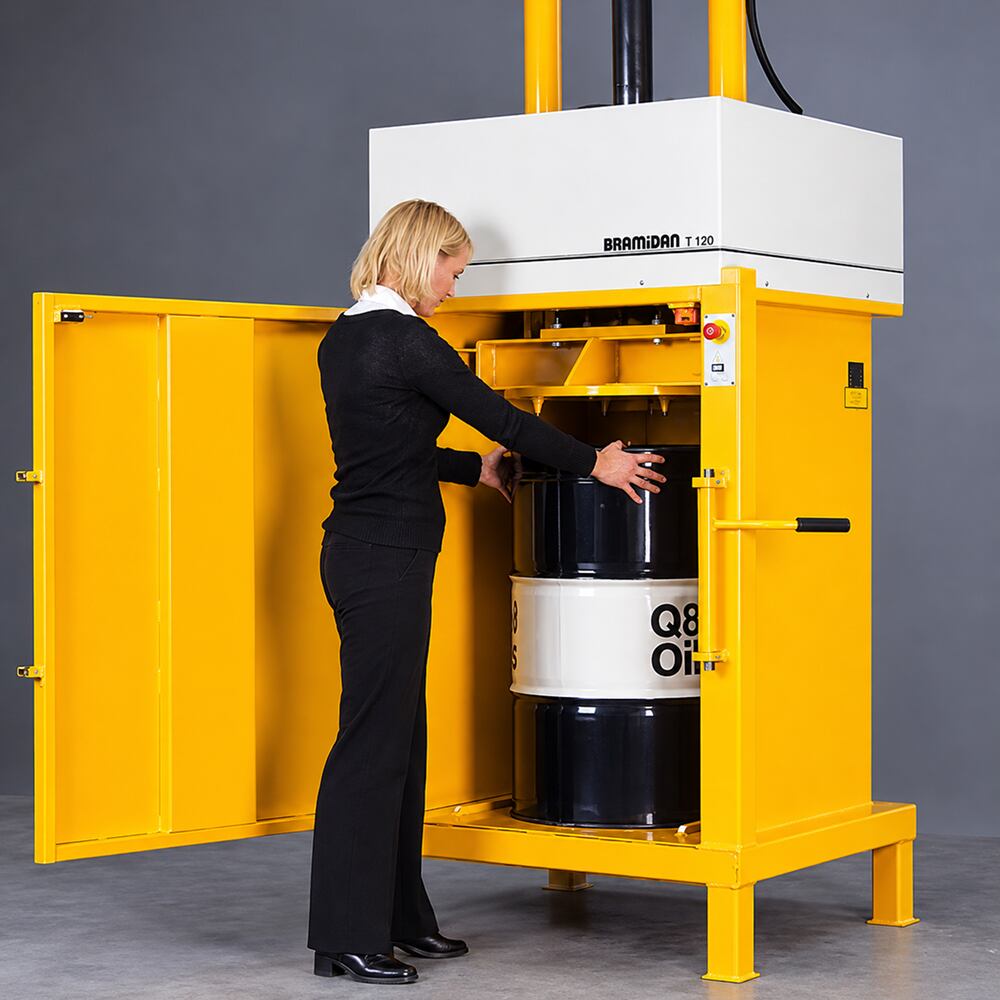
Drums are too large and rigid for most balers. A drum press flattens them instead. Kenburn’s drum compactors achieve an 8:1 compaction ratio, turning bulky drums into flat, stackable discs. That frees up yard space quickly on paint, chemical and food sites.
An in-drum compactor works the other way round. It crushes waste such as cans into a drum, so the drum itself becomes the container.
Before you crush any drum, check what it held. GOV.UK classes empty packaging contaminated with residues of hazardous substances, including paint cans and drums, as hazardous waste. Your waste contractor can confirm the right classification and outlet.
Metal offcuts
Offcuts are usually best left out of the baler altogether. Most are already dense, so there is little air to squeeze out. The simplest route is a stillage or skip supplied by your licensed waste collector, with different metals kept apart where you can.
That keeps things tidy, safe and easy to collect, and the collector weighs and pays for the material as it leaves your site.
What Your Baled Metal Is Really Worth
Published price indicators give you a starting point, not a guaranteed quote. Letsrecycle.com updates its metal prices on the last Friday of each month, and figures move with global markets. Your actual price will depend on your merchant, your location and the quality of your material.
Here is a simple illustration. Roughly 32 empty aluminium cans make up one pound of material, which is about 70 cans per kilo.
A venue emptying 2,000 cans a week produces around 29kg a week, or about 1.5 tonnes a year. At £830 to £1,300 a tonne, that is roughly £1,250 to £1,950 a year in material value. On top of that, you save on the general waste lifts and gate fees those cans used to cost.
For a manufacturer filling several bales a week, the numbers scale up quickly.
What pushes your price up:
- Aluminium and steel kept separate
- Empty, dry cans with no food or plastic mixed in
- Consistent, well-formed bales
- Regular, predictable volumes that buyers can plan around
Payment is straightforward. A scrap metal dealer must not pay for scrap metal except by non-transferable cheque or electronic transfer, so expect a bank payment against a weighbridge ticket. Only sell to licensed dealers.
Hospitality sites should also plan ahead for the deposit return scheme. It goes live in October 2027 across England, Scotland and Northern Ireland and covers aluminium cans, which may change how in-scope drinks cans leave your site. Food tins, foil trays and other metal packaging will still need handling.
Five Habits That Quietly Drag Down Your Scrap Value
Most lost value comes from a few small habits on site:
- Throwing aluminium and steel in the same bin
- Leaving liquid in cans or residue in drums
- Letting metal slip into cardboard bales or general waste
- Crushing drums before checking what they contained
- Accepting the first price offered without comparing licensed buyers
None of these need new equipment to fix. They need clear bins, a short staff briefing and someone keeping an eye on things. If you are not sure which of your materials can be baled or compacted, our guide on what you can bale walks through each stream.
Your Metal Already Has a Price. Make Sure You Are the One Collecting It
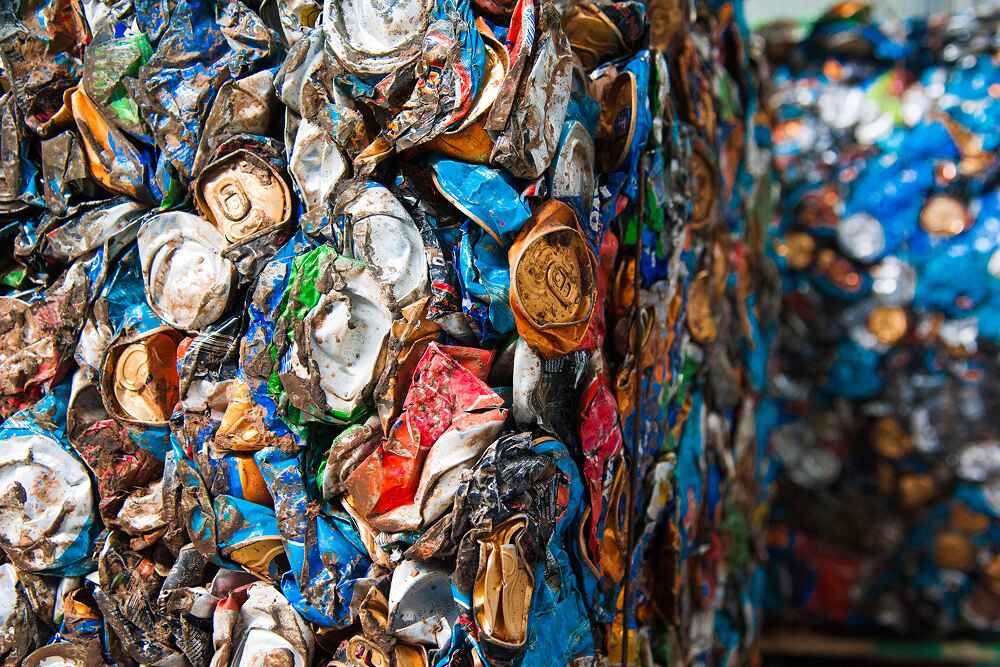
Cans, drums and offcuts are not just waste. They are a commodity you are currently paying someone else to take away.
To turn them into revenue:
- Separate aluminium from steel at source
- Keep metal clean, dry and out of other waste streams
- Use a vertical baler for cans, a drum press for drums, and a stillage or skip for offcuts
- Check drum classification before crushing
- Sell to licensed dealers and compare prices
Get those basics right and a scrap metal baler stops being an overhead and starts earning its keep, through fewer collections, safer working areas and a regular payment for material you used to pay to remove.
Explore our metal waste solutions to see the full equipment range, or book a free site audit and our team will help you work out what your metal waste could be earning.