
 Proper waste management keeps industries running smoothly, cuts disposal fees, and meets strict UK regulations like the Environment Act 2021. Kenburn Waste Management leads the way, serving manufacturing, hospitality, retail, and logistics with reliable balers, compactors, and digesters. This guide shares practical tips in a friendly, no-nonsense way to transform your waste streams.
UK industries produce over 12 million tonnes of commercial waste annually, with more than 60% recyclable if handled right, yet much still clogs landfills. Smart waste management slashes costs by up to 30% while boosting sustainability.
Understanding Different Types of Industrial Waste
Industries generate diverse waste streams daily, from packaging to production scraps. Common types include cardboard, wet waste, plastic, metals, and mixed waste; each demanding specific handling for optimal results.
Cardboard dominates in logistics and retail, piling up from boxes and shipping materials. Wet waste arises in food processing and hospitality, comprising organic scraps like peels and leftovers. Plastics appear as bottles, films, and containers in manufacturing, while metals from fabrication need separation for recycling. Mixed waste blends these, complicating disposal.
Segregate waste at source to unlock recycling potential, cut landfill trips, and slash costs. Proper sorting boosts efficiency, ensures compliance with UK waste hierarchy rules, and turns liabilities into revenue through recyclables. Kenburn’s systems make this seamless across sectors.
Cardboard Waste
Cardboard is a major waste stream in industries, especially in packaging and shipping, accounting for over 20% of commercial waste in the UK with around 5.4 million tonnes generated annually. It is widely used for boxes that protect goods, making it abundant across retail, logistics, and manufacturing sectors.
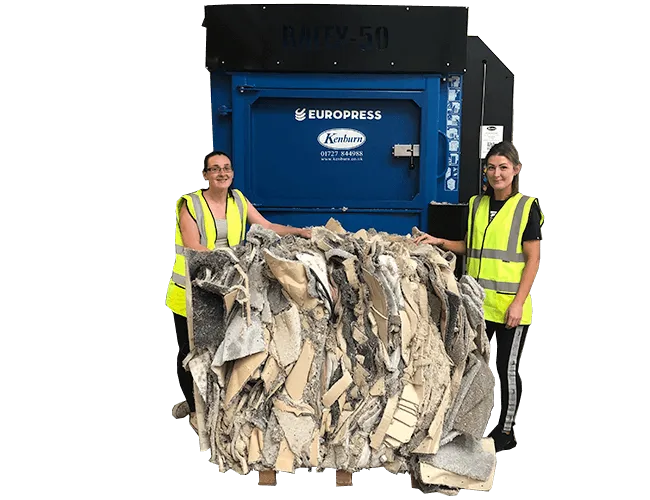
Key challenges include contamination with food or liquids that spoil recyclability, and its bulky volume which increases storage and transport costs. Industrial balers, such as Kenburn’s efficient balers and compactors, compress cardboard into dense bales, reducing volume by up to 90%.
This compaction greatly cuts transport costs, simplifies recycling processes, and frees valuable floor space. Proper cardboard management lowers disposal fees and supports compliance with UK waste separation laws, turning what was once waste into a valuable resource.
Wet Waste
Wet waste consists mainly of food waste and organic material produced in cafeterias, kitchens, and food processing plants. This type of waste includes leftover food, peelings, and other biodegradable scraps common in hospitality and manufacturing sectors.
If not managed properly, wet waste can cause strong odours, attract pests, and create environmental hazards such as methane emissions from landfills. Proper containment and processing are essential to prevent these risks.
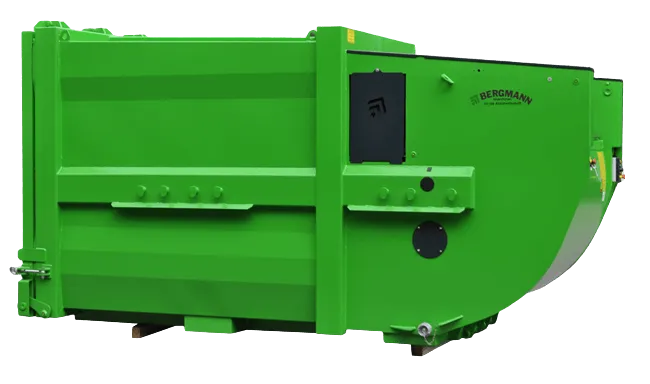
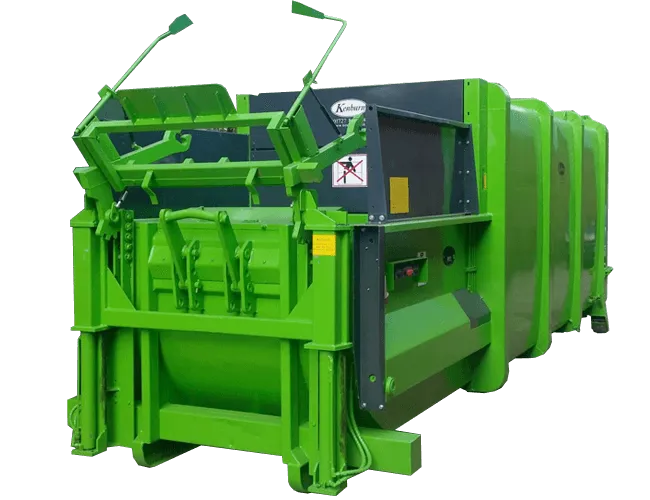
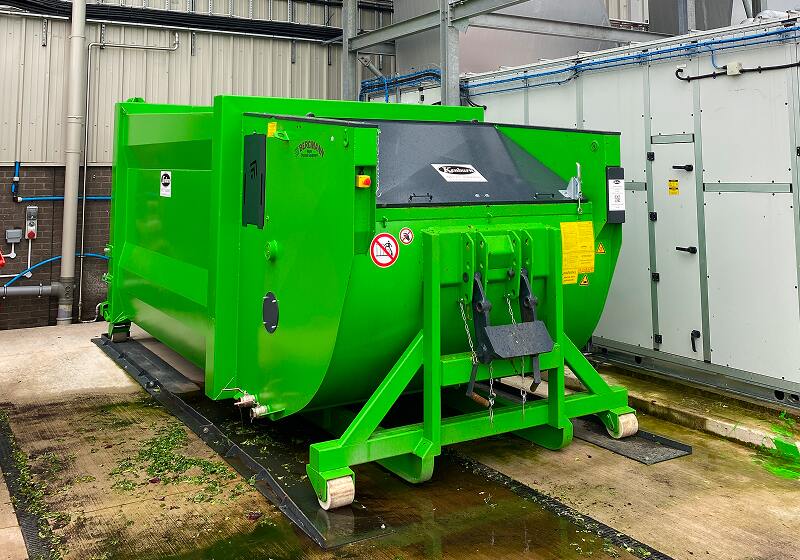
To handle wet waste efficiently, Kenburn offers specialised machines like wet waste compactors. These solutions seal in waste to prevent odours while compacting it to reduce volume. Kenburn’s wet waste technology optimises the recycling of organic matter, turning it into bioenergy or compost, helping industries meet sustainability targets effectively.
Plastic Waste
Plastic waste in industries comes in varieties like PET bottles, HDPE containers, films, and rigid packaging from manufacturing and retail. These materials pile up quickly due to their widespread use in product protection and shipping.
Challenges include contamination with food or dirt, plus sorting complexity from mixed types and colours, which hinders recycling and raises costs.
Kenburn tackles this with compactors and balers like the Bramidan 2-0G for soft plastics, and roll packers that reduce volume by up to 9:1. These machines create dense bales for easy transport, cut disposal fees, and boost recycling rates, shrinking your plastic footprint while aiding UK sustainability goals
Industry-Specific Waste Management Practices
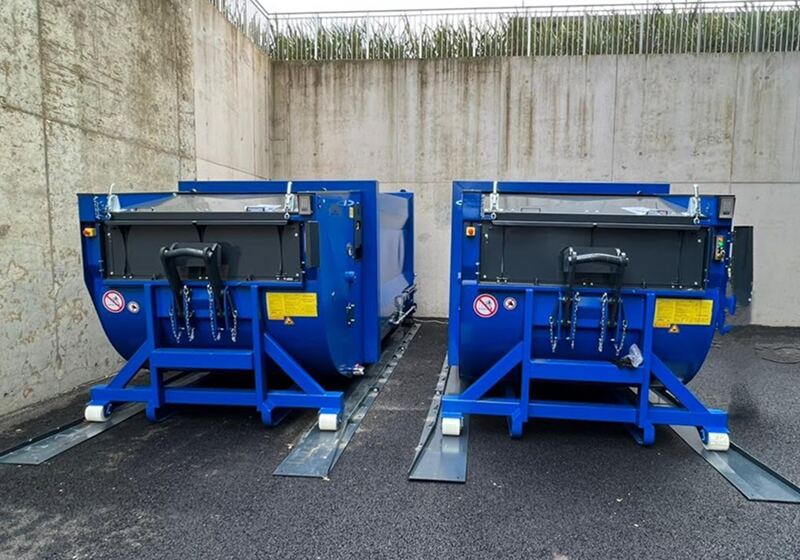
Kenburn serves key industries like manufacturing, hospitality, retail, and logistics with tailored waste solutions, drawing on decades of experience supplying balers and compactors.
Manufacturing
Generates heavy cardboard and plastic packaging from production runs, plus dust and mixed waste offcuts. Kenburn provides high-capacity balers, compactors, shredders, and jumbo roll packers to handle bulky materials efficiently, reducing volume and keeping floors clear.
Hospitality and Food Processing
Faces significant wet waste from kitchens and cafeterias, alongside plastic packaging. Solutions include wet waste compactors like the MPB series that minimise odours.
Retail and Warehousing
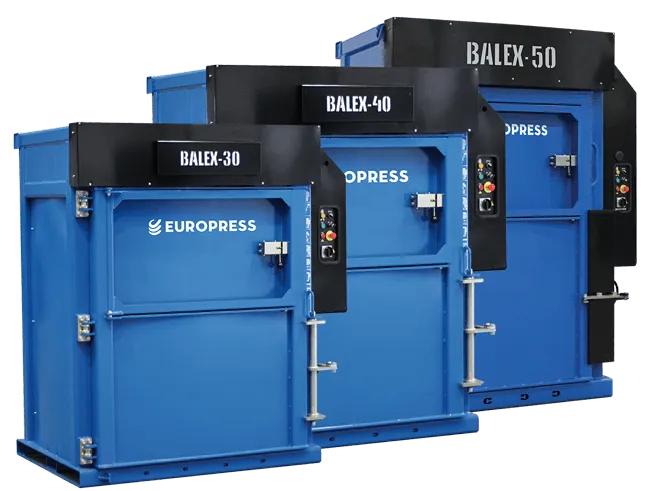
Deals with large volumes of cardboard boxes and plastic films from stock and shipping. Compact balers and baling presses, such as Europress Balex models, save space by creating dense bales for fewer collections.
How Kenburn’s Machines Enhance Waste Management
Kenburn’s machines deliver standout features that transform waste handling across industries. They prioritise efficiency with faster processing cycles, saving valuable time on operations. Space-saving designs compact waste dramatically, freeing floor space for productive use. Compliance comes built-in, meeting UK environmental and health regs like CE marking and low-noise operation. Cost savings increase by slashing transport and disposal fees through volume reduction up to 9:1.
Specific Machines Overview
Cardboard Balers
Kenburn offers vertical and horizontal types like Europress Balex along with refurbished Bramidan models in small (30-60kg bales), medium, and large (up to 600kg) sizes. Features include cross-cylinder compression for stable, heavy bales, SMART tech for remote monitoring, and quick auto-ejection, ideal for high-volume sites.
Wet Waste Compactors
These sealed units, such as Bergmann MPB series compactors, process food scraps and organics from hospitality.
Plastic Balers and Compactors
Kenburn’s Bramidan 2-0G balers, jumbo roll packers, and in-drum compactors compress waste streams such as PET, HDPE and films into dense bales. They reduce volume 9:1, ease sorting, and enable profitable recycling while minimising landfill trips.
Steps to Implement an Effective Waste Management Plan with Kenburn
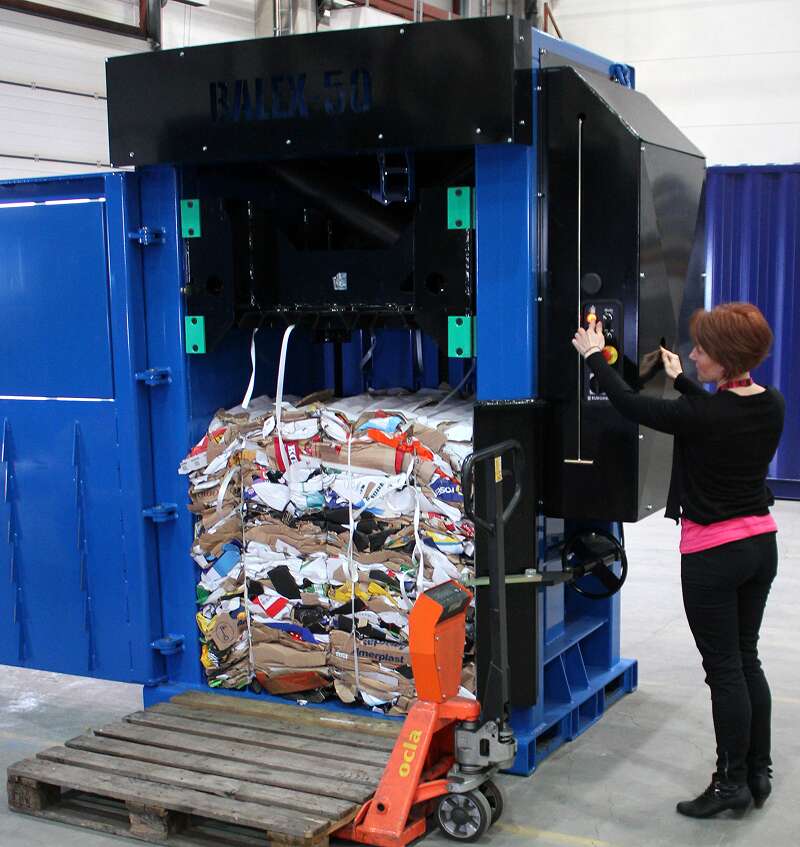
Follow these practical steps to build a robust waste management system tailored to your operations, leveraging Kenburn’s expertise for seamless results.
Assess your waste streams: Conduct a thorough audit to identify waste types, volumes, and sources, track cardboard, plastics, and wet waste over a week for accurate data.
Choose appropriate machines per waste type: Select from Kenburn’s range like balers for cardboard, compactors for plastics, or digesters for organics based on your audit and space constraints.
Train staff on segregation and machine operation: Run hands-on sessions to teach source separation, safe machine use, and hygiene protocols, Kenburn provides tailored training for quick adoption.
Regular maintenance and monitoring: Schedule Kenburn servicing to keep machines running smoothly, using SMART tech for remote checks and performance logs.
Continuous improvement using data insights and Kenburn support: Review metrics quarterly, adjust with Kenburn consultants, and scale solutions for ongoing cost savings and compliance.
Driving Waste Management Success with Kenburn
Understanding your waste types and applying the right management techniques is crucial for boosting sustainability, cutting costs, and ensuring compliance. Kenburn’s tailored machinery solutions, from balers to compactors and digesters, empower industries to transform waste challenges into opportunities for efficiency and environmental responsibility.
Kenburn encourages businesses to evaluate their current waste handling practices and leverage expert advice and state-of-the-art equipment to achieve significant improvements. Whether you are in manufacturing, hospitality, retail, or logistics, Kenburn offers flexible options including new and refurbished machines, leasing, and rental plans that fit any budget and scale.
To explore how Kenburn can optimise your waste management, contact their specialists for a free site assessment or consultation. Visit Kenburn’s product range and services page to learn more and start saving on your waste handling today
FAQs:
What types of waste can Kenburn machines handle?
Kenburn machines manage cardboard, plastics (PET, HDPE, films), wet/organic waste, metals, and mixed commercial waste with balers, compactors, shredders, and digesters tailored for volume reduction and recycling.
How do balers help reduce disposal costs?
Balers compress waste into dense bales, cutting volume by up to 90%, which means fewer collections, lower transport fees, and often free recycling pickups, saving businesses 30-50% on disposal.
Can Kenburn’s wet waste digesters be used onsite at food businesses?
Yes, Kenburn’s compact wet waste solutions like MPB series compactors and digesters process food scraps onsite in hospitality and processing plants, reducing odours and converting organics to compost or bioenergy.
What industries benefit most from Kenburn’s waste solutions?
Manufacturing, hospitality, retail, warehousing, logistics, healthcare, and public sector gain from Kenburn’s balers and compactors that handle high-volume packaging, organics, and mixed waste efficiently.
How often should industrial waste management equipment be serviced?
Service quarterly or every 1,000-2,000 cycles, plus annually for full checks, Kenburn offers maintenance plans with remote monitoring to prevent downtime and ensure compliance.