
 Did you know that proper waste baling can reduce your waste volume by up to 70%, slashing disposal costs and freeing up valuable space in your operations? Imagine transforming chaotic piles of cardboard and plastics into neat, stackable bales that streamline your entire waste handling process.
For businesses drowning in cardboard, plastics, or mixed packaging waste, efficient management is essential. Overflowing bins disrupt workflows, hike collection fees and risk non-compliance with UK regulations. Effective baling turns this headache into an opportunity for savings and sustainability.
Kenburn has led the way since 1987, supplying top-tier balers and compactors tailored for industries like hospitality, manufacturing, and warehousing. Our machines, from vertical balers to heavy-duty horizontals, fit tight spaces and high volumes alike.
Kenburn’s solutions deliver real results: clients cut disposal bills through volume reduction, boost hygiene with sealed designs, and meet safety standards like BS EN 16500. Book a free site audit today to see how we can optimise your waste streams
What Is Waste Baling?
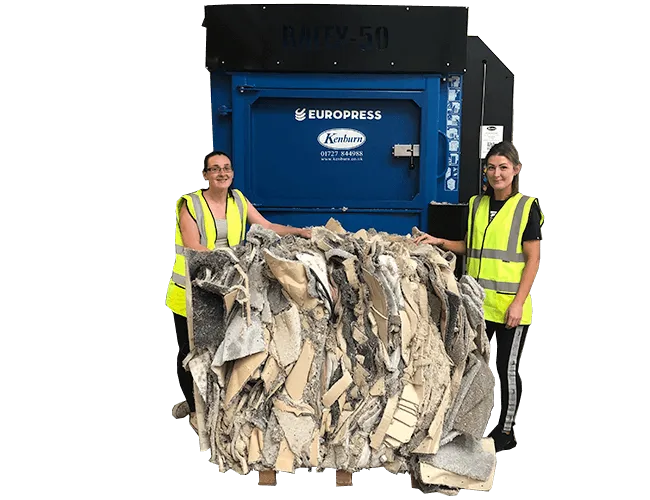
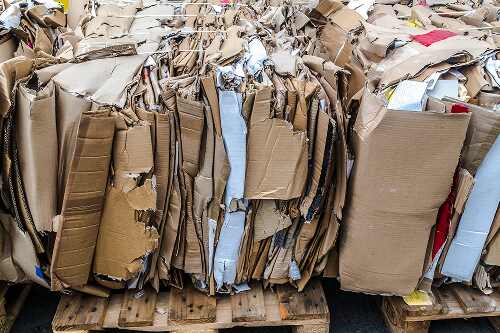
Waste baling is the process of compacting loose waste materials into dense, stackable bundles called bales. This is achieved using a baling machine, commonly known as a baler, that compresses materials under high hydraulic pressure and then secures the compressed bale with wire or plastic strapping for easy handling and transport.
Common materials baled include cardboard, various plastics such as shrink wrap and bottles, paper, and mixed packaging waste. Some balers can also handle textiles, metal cans, and other recyclable materials, making them highly versatile for different business needs.
The benefits of waste baling are substantial: it reduces the volume of waste by up to 70-90%, freeing up valuable space on site; it simplifies the collection, storage, and transportation of recyclables; and it can generate additional revenue as clean, uncontaminated bales often fetch higher prices from recycling companies. Baling also promotes safer, cleaner workplaces by reducing loose waste clutter and supports compliance with environmental and waste regulations.
Why Baling Waste Matters for Your Business
Why Baling Waste Matters for Your Business:
- Significant waste volume reduction (up to 70%): Baling slashes cardboard and plastics volume by up to 70%, freeing onsite space.
- Lower disposal and collection costs: Fewer collections cut fees by 40-60%; baled recyclables often earn rebates.
- Improved cleanliness and safety: Tidy bales reduce clutter, pests, and hazards for a hygienic workplace.
- Enhanced recycling compliance: Clean bales boost recycling rates, support ESG goals, and meet UK regs.
- Real-world wins: UK retailers cut costs 52% and earned £38k in rebates; manufacturers recoup in a year.
Step-by-Step Waste Baling Process
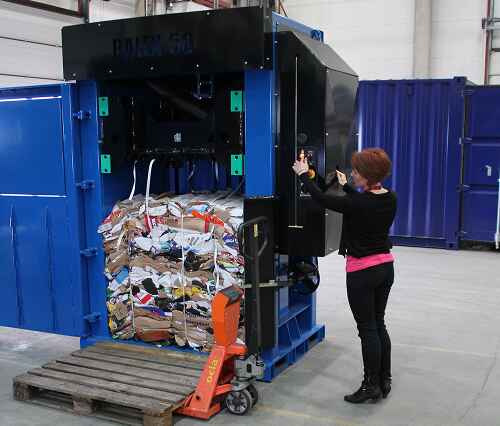
Efficient waste baling transforms loose materials into compact, manageable bales, saving space, cutting costs, and improving recycling. Here’s a clear step-by-step guide to how it works:
- Waste Segregation
Start by separating recyclables like cardboard and plastics from general and food waste. Proper segregation improves bale quality and recycling potential.
- Collection at Source
Gather the sorted waste in bins or containers placed close to where the waste is produced. This streamlines waste flow and reduces handling time.
- Prepping Waste
Flatten bulky items such as cardboard boxes or loosely pre-compact soft plastics. This makes loading faster and helps the baler compress materials more efficiently.
- Using the Baler Machine
- Load the prepared waste into the baler chamber carefully.
- Ensure the safety door is fully closed before activating the machine.
- The hydraulic press compresses the waste into tight, dense bales.
- Binding the Bale
Secure bales with wire or plastic straps for easy handling and to maintain their compact shape during storage and transport.
- Bale Removal
Eject the finished bale from the machine and place it in a clean, dry area ready for collection or recycling pickup.
- Regular Maintenance & Training
Keep machines in top condition with regular servicing, and ensure staff are trained for safe, efficient operation. Always follow safety and hygiene guidelines to prevent accidents and contamination.
Following these steps ensures your waste baling process is safe, effective, and optimised for cost savings and environmental compliance.
Which Kenburn Baler is Right for You?
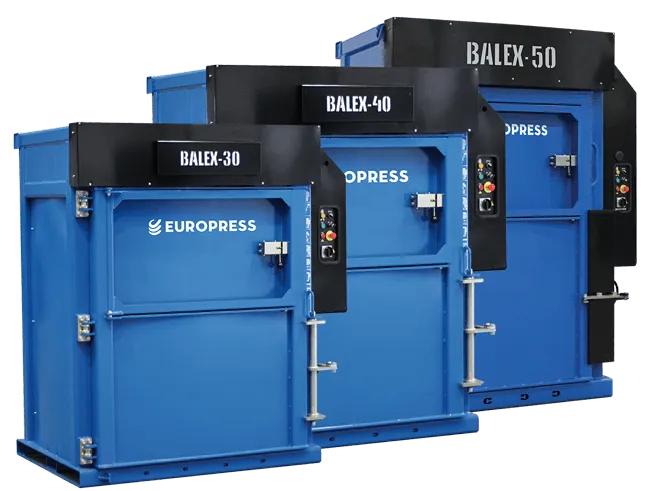
Choosing the right Kenburn baler depends on your waste volume, material type, and available space. Our range, from compact vertical models to heavy-duty horizontals, ensures a perfect fit for industries like hospitality, manufacturing, and warehousing.
Small Vertical Balers
Ideal for tight spaces in back-of-house areas, kitchens, or small sites. These produce bales of 30-60kg from cardboard and plastics, fitting seamlessly into retail or hospitality environments with low ceilings.
Horizontal Balers (Semi-Auto or Fully Automatic)
Perfect for high-volume operations like warehouses or e-commerce. They handle large cardboard/plastic streams, typically producing 250-700kg bales with conveyor feed options for continuous processing.
Plastic Balers
Specialised for film, shrink wrap, and packaging plastics. These create dense bales from lightweight, bulky materials, maximising recycling revenue in manufacturing or distribution.
Static and Portable Compactors
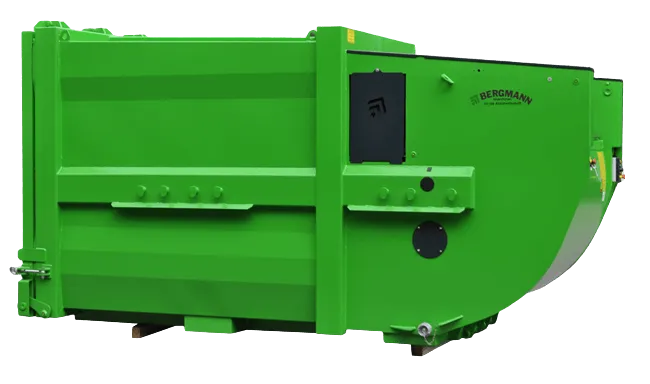
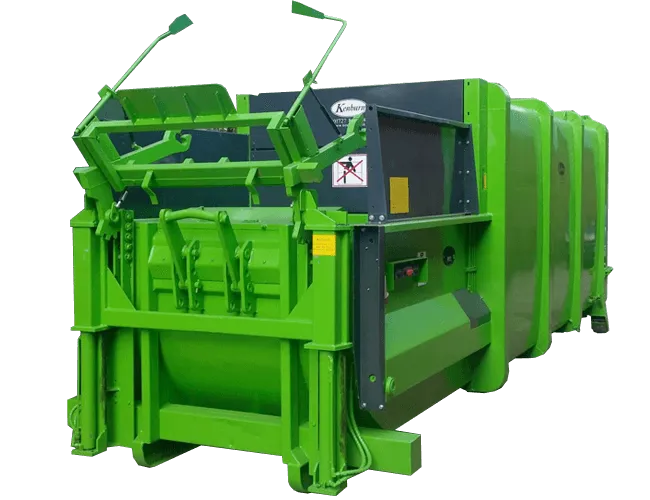
Best for mixed waste. Static models like Kenburn Select KS suit fixed sites; portables like Bergmann APB handle general refuse hygienically, with bin lifts for easy use.
Kenburn tailors options to your needs, adjustable by volume (low to high), material and finance (rent/buy).
Maximising Benefits from Waste Baling
Unlock the full value of waste baling by focusing on smart practices that amplify savings and efficiency. Businesses maximise returns when they prioritise proper segregation right from the start, training staff to separate cardboard, plastics, and paper at source using labelled bins ensures cleaner bales that fetch premium recycling prices and avoid contamination penalties.
Scheduling regular baling cycles, such as daily or end-of-shift routines, prevents waste backlog, keeps sites tidy, and slashes collection frequency by up to 60%, directly cutting hauling costs. Complement this with Kenburn’s comprehensive maintenance packages, offering 1-3 annual services by in-house engineers, and included operator training to minimise downtime, extend machine life, and ensure safe, compliant use.
Finally, tap into recycling revenue by selling baled materials to processors; UK clients routinely generate £38,000+ yearly from cardboard alone, turning waste into profit while boosting ESG credentials. These integrated steps deliver ROI in under a year, book Kenburn’s free audit to tailor them to your operation.
Common Challenges in Waste Baling
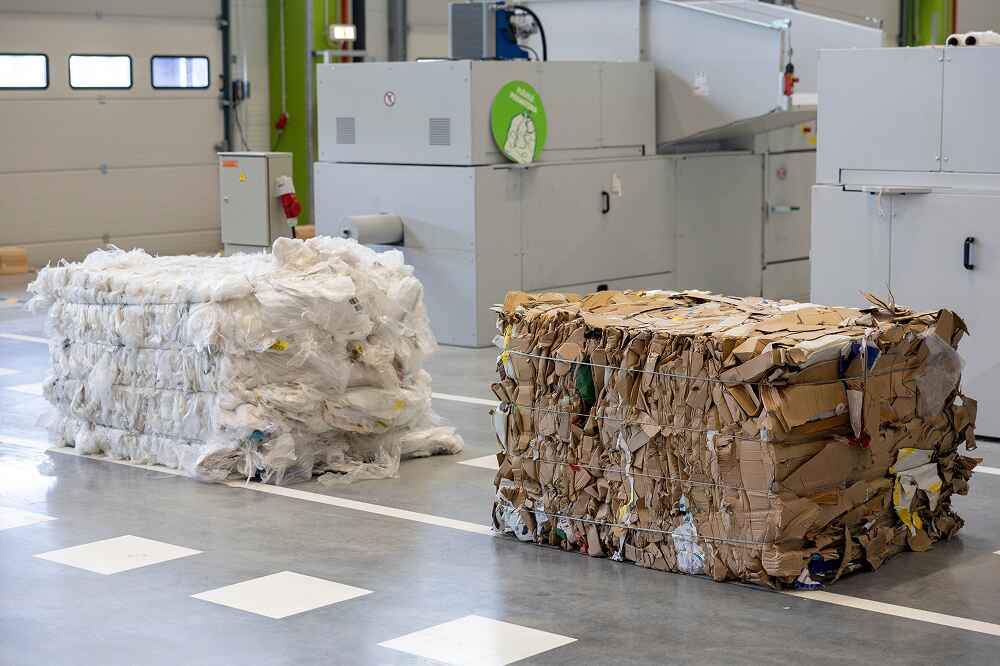
Common challenges in waste baling often revolve around operational constraints and strict hygiene and safety requirements. Many businesses struggle with limited space where bulky waste accumulates, creating clutter and disrupting workflows. Kenburn tackles this by offering compact vertical balers that fit into tight kitchens, storage rooms, or service corridors. Their machines reclaim precious floor space without compromising baling efficiency.
Another significant challenge is managing odours and pests, especially when dealing with wet or food waste. This is critical in sectors like hospitality or food manufacturing, where hygiene cannot be compromised. Kenburn’s sealed portable wet waste compactors, equipped with optional ozone generators, effectively contain odours and eliminate pests, ensuring waste areas remain clean and compliant with health standards.
Maintaining hygiene is a constant demand, particularly in environments such as hospitals or schools where contamination risks are high. Kenburn’s waste machinery is designed with sealed units and easy-clean surfaces, enabling risk reduction from spills or exposed waste. Their products comply with CE marking and safety standards that help institutions uphold strict hygiene protocols.
Furthermore, operator safety and regulatory compliance can be challenging in fast-paced environments with complex machinery. Kenburn addresses this with machines featuring interlocked doors, emergency stop buttons, and quiet operation. Comprehensive operator training and national maintenance services further ensure equipment runs smoothly and safely, reducing downtime and workplace accidents.
By understanding these common pain points, Kenburn has crafted tailored solutions that not only enhance operational efficiency but also ensure clean, safe, and compliant waste management environments. This holistic approach helps businesses overcome challenges and realise the full benefits of waste baling.
Get Started with Kenburn
Waste baling can transform your business waste management, cutting volumes by up to 70%, reducing costs, improving safety, and unlocking recycling revenue. From understanding the baling process to choosing the right Kenburn machine, maximising benefits, and overcoming common challenges, the approach is all about efficiency and sustainability tailored to your needs.
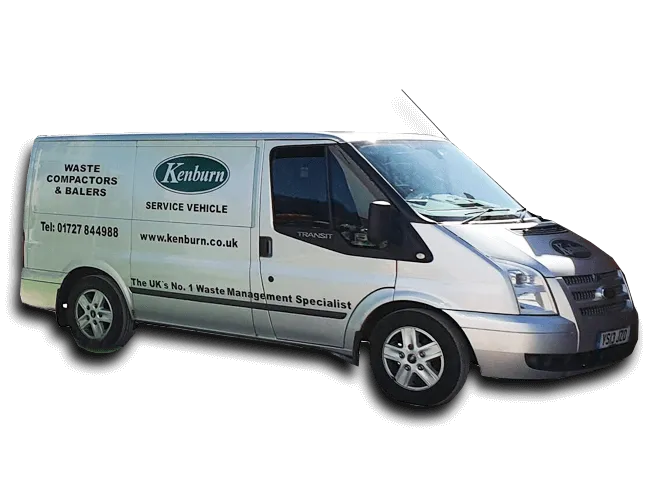
Kenburn’s expertise since 1987 ensures you’re backed by trusted solutions, from a free site audit to a personalised equipment proposal, expert installation, operator training, and ongoing nationwide support. Every step is designed to make your waste baling journey seamless and effective.
If you’re ready to reclaim space, save money, and boost recycling potential, reach out to Kenburn for your free site audit. Our team is ready to help find the perfect solution for your business.
Call 01727 844988 today and take the first step towards smarter waste management.
FAQs
How much space does a baler require?
Most Kenburn vertical balers need just 1.5-2.5m² of floor space and can fit under low ceilings, ideal for tight back-of-house areas in shops, kitchens, or warehouses. Larger horizontal models require more room for high volumes.
Can food waste go into a baler?
No, food and wet waste should never go into balers due to hygiene risks, odours, and machine damage. Use sealed compactors like Bergmann models instead for safe containment.
What types of waste can be baled?
Commonly baled materials include cardboard, plastics (film, bottles), paper, and packaging. Avoid wet, hazardous, or contaminated waste for best results and recycling value.
Is operator training included?
Yes, Kenburn provides full operator training for up to three staff during installation, plus refresher sessions on request to ensure safe, efficient use.
What maintenance is needed?
Annual servicing 1-3 times depending on usage, handled by Kenburn’s nationwide engineers. Plans cover checks, repairs, and consumables to prevent downtime.
Can baling generate recycling revenue?
Absolutely, clean baled cardboard and plastics often earn rebates.